DO MORE WITH OUR APP


OR


2022.05.24

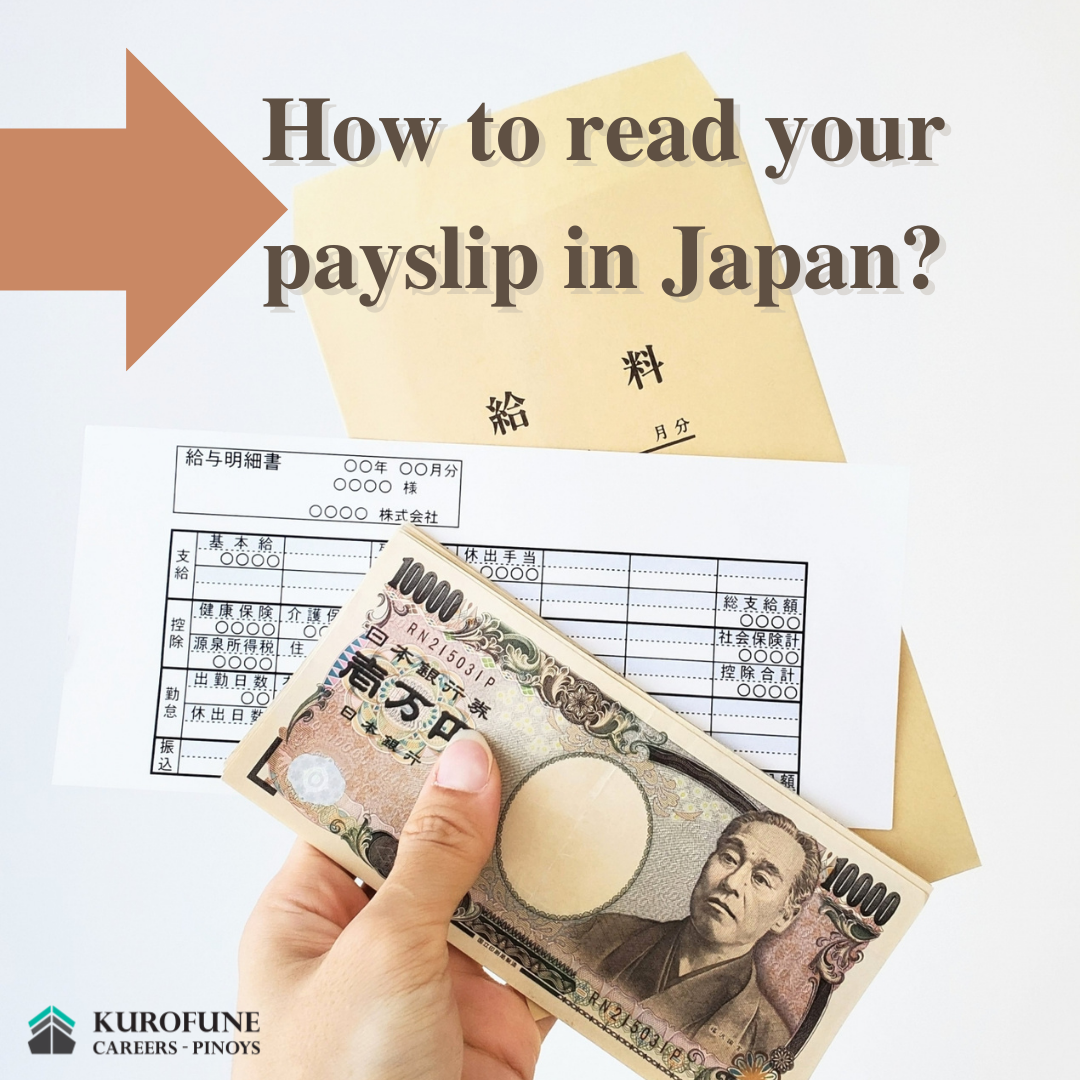
After officially working for about 1 month, at the end of the month from the 20th to the 27th (depending on the company) you will receive your first salary. The salary that the company transferred to you compared to the one on the job description may be quite different. Many of you when receiving your salary are (almost always) surprised why your salary was deducted that much. Please read carefully the payslip to understand which one is the receipt and which one is the deduction!
In this guide, we will take you through common Japanese terminology that will (hopefully) help you understand your payslip. Keep in mind that while you can rely on some of these terms to be constant (e.g. insurance), others will differ between companies (e.g. 遅刻早退 vs 遅早時間). Each company has a different payroll format, but they will be divided into 4 main sections:
「勤怠」(きんたい): Detailed information about the number of working days, hours, etc.

所定就労日数・所定就労時間 (shotei shurō nissū・shotei shurō jikan): fixed number of working days/hours predetermined by the company
出勤日数 (shukkin nissū): number of working days
休出日数 (kyūshutsu nissū): number of day-off working days
欠勤日数 (kekkin nissū): number of days absent
有休日数 (yūkyū): number of paid leave days (paid leave entitlement depends on your working conditions and length of employment with the company)
有休残日数 (yūkyū zan nissū): number of remaining paid leave days
特休日数 (toku kyūjitsu sū): number of special leave days. These are not legally required leaves but are instead agreed upon with the company (e.g. birthday leaves, sick leaves)
出勤時間 (shukkin jikan): total work hours (usually for part-time work, does not include lunch hour)
普通残業時間 (futsū zangyō jikan): overtime (after your company’s normal hours to 10:00 pm; 25% premium; also over the 40 legal work hours)
深夜残業時間 (shinya zangyō jikan): late-night overtime (from 10:00pm to 5:00am; 25% premium)
休出残業時間 (kyūshutsu zangyō jikan): day off work overtime (holiday pay; when you work on a public holiday; out of normal hours)
「支払」(しはらい) or 支給 (しきゅう): Amounts paid by the company
基本給 (kihonkyū): basic salary
追加手当 (tsuika teate): additional pay
契約満了手当 (keiyaku manryō teate): contract completion bonus
役付手当 (yakutsuki teate): position allowance
残業手当 (zangyo teate): overtime work allowance
深夜残業手当 (shin’ya zangyo teate): mid-night overtime work allowance
休日出勤 (kyujitsu shukkin): work on holidays
役職手当 (yakushoku teate): managerial position allowance
資格手当 (shikaku teate): qualification allowance
住居手当 (jukyo teate): housing allowance
家族手当 (kazoku teate): family allowance
「控除」(こうじょ): Deductions
健康保険料 (kenkō hokenryō): employees’ health insurance
介護保険料 (kaigo hokenryō): nursing insurance (paid from 40 to 64 years old) for long-term care due to old age or certain illnesses (from 65 or earlier if you qualify)
厚生年金保険 (kōsei nenkin hoken): employees’ pension insurance
厚生年金基金 (kōsei nenkin kikin): employee pension fund (additional pension contribution)
雇用保険料 (koyō hoken): unemployment insurance (known as employment insurance)
社保料その他 (shahoryō sono hoka): other insurance premiums (for social insurance backpay)
社会保険料計 (shakai hokenryō kei): total social insurance premiums
所得税 (shotoku zei): income tax / withholding tax
住民税 (jūminzei): resident tax
控除合計・控除合計額 (kōjo gōkei・kōjo gōkeigaku): total deduction
社保控除後計 (shaho kōjogo kei): total salary after insurance
貸付金返済 (kashitsukekin hensai): loan repayment (i.e. loan from the company for personal expenses; with interest)
仮払金 (karibaraikin): temporary advance (i.e. cash advance for work-related expenses; e.g. shinkansen fare)
立替金その他 (tatekaekin sono hoka): other advance payment
「差引支給額」(さしひきしきゅうがく): Salary after deduction
振込支給額・銀行振込額 (furikomi shikyūgaku・ginkō furikomigaku): transferred salary・transferred amount
現金支給額 (genkin shikyūgaku): cash payment (i.e. any part of your salary paid in cash)
WABISABI MEDIA ©2020 KUROFUNE

